
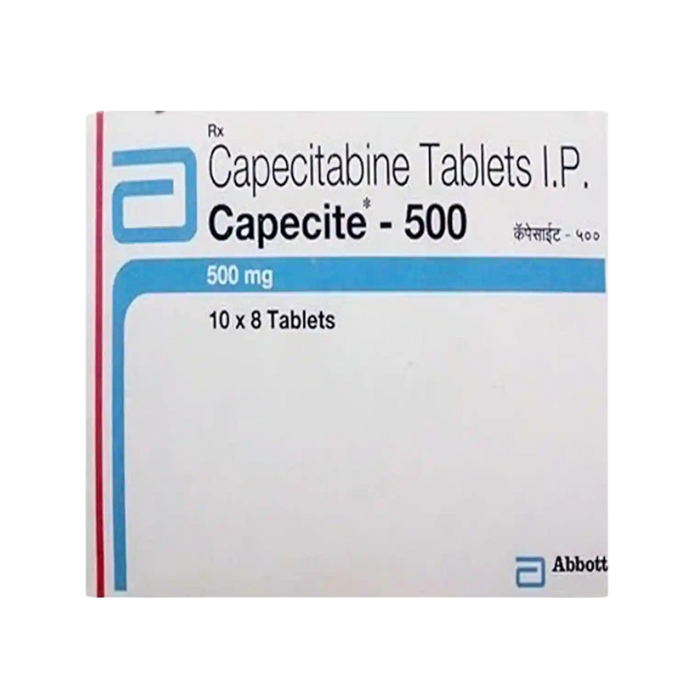
What is Capecitabine 500mg?
Capecitabine is classified as an antimetabolite or a cytotoxic agent. It is a “prodrug,” meaning it remains inactive until it is processed by the body. Once ingested, it travels through the liver and is converted into its active form, 5-fluorouracil (5-FU), primarily within tumor tissues.
This targeted conversion is what makes Capecitabine so effective. Because the enzyme required for this conversion (thymidine phosphorylase) is found in higher concentrations in cancer cells than in healthy cells, the drug delivers a concentrated dose of chemotherapy directly to the tumor, potentially reducing damage to healthy tissue.
Key Indications: What Cancers Does It Treat?
Capecitabine 500mg is a versatile medication used either as a standalone therapy (monotherapy) or in combination with other chemotherapy drugs like Docetaxel or Oxaliplatin. Its primary uses include:
- Colorectal Cancer: It is used as an adjuvant (post-surgery) treatment for Stage III colon cancer to prevent recurrence. It is also a first-line treatment for metastatic colorectal cancer.
- Breast Cancer: For patients with locally advanced or metastatic breast cancer, especially those who haven’t responded to taxanes or anthracyclines, Capecitabine is a vital option.
- Gastric (Stomach) Cancer: It is often used in combination with platinum-based therapies to treat advanced stomach cancer.
The Benefits of Oral Therapy
The primary advantage of Capecitabine 500mg is its oral administration. Traditional 5-FU often requires a continuous intravenous (IV) infusion, which involves hospital stays or carrying a portable pump. By switching to a tablet form, patients benefit from:
- Convenience: Taking a pill twice a day at home reduces the need for frequent clinic visits.
- Quality of Life: Patients can maintain a more normal daily routine.
- Reduced Risk: Eliminates the complications associated with IV catheters, such as infections or vein irritation.
How to Take Capecitabine 500mg Correctly
To ensure maximum efficacy and safety, patients must follow specific dosing instructions.
- Timing: Tablets should be taken within 30 minutes after a meal (breakfast and dinner).
- Administration: Swallow the tablets whole with water. Do not crush or chew them.
- Schedule: Typically, the drug is taken in a cycle—for example, 14 days of treatment followed by a 7-day rest period. This allows the body to recover from the medication’s effects.
Managing Side Effects
While Capecitabine is generally well-tolerated compared to traditional IV chemotherapy, it does have specific side effects that require monitoring.
- Hand-Foot Syndrome (HFS)
This is a unique side effect where the palms of the hands and soles of the feet become red, swollen, or painful.
- Tip: Use alcohol-free moisturizers regularly and avoid exposing your hands and feet to hot water or excessive friction during treatment.
- Gastrointestinal Issues
Diarrhea, nausea, and vomiting can occur. Dehydration is a serious risk if diarrhea is severe.
- Tip: Stay hydrated and inform your doctor immediately if you experience more than 4-6 bowel movements above your normal daily count.
- Myelosuppression
Like most chemotherapies, Capecitabine can lower blood cell counts, increasing the risk of infection (low white cells) or fatigue (low red cells).
- Tip: Regular blood tests are necessary to monitor your health throughout the treatment cycles.
Cost and Accessibility: Finding Affordable Options
For many patients, the cost of cancer treatment is a significant concern. While the original brand, Xeloda, can be expensive, the availability of Generic Capecitabine 500mg has made treatment much more accessible.
Reputable manufacturers such as Cipla (Capegard), Intas (Capsy), and Zydus (Cacit) offer high-quality generic versions that are bioequivalent to the original drug. When purchasing Capecitabine online or from a pharmacy, it is crucial to ensure you are buying from a licensed source and that you have a valid prescription from an oncologist.
Precautions and Contraindications
Before starting Capecitabine 500mg, patients must disclose their full medical history.
- DPD Deficiency: Patients with a deficiency in the enzyme dihydropyrimidine dehydrogenase (DPD) are at risk for life-threatening toxicity and should not take this drug.
- Kidney Function: Since the drug is cleared through the kidneys, patients with renal impairment may require dose adjustments.
- Pregnancy: Capecitabine can cause fetal harm and is not recommended during pregnancy or breastfeeding.
Conclusion
Capecitabine 500mg represents a bridge between clinical efficacy and patient convenience. By allowing for home-based treatment of colorectal and breast cancers, it empowers patients to take control of their healing journey. However, success with this medication depends on strict adherence to the prescribed schedule and proactive communication with a healthcare team regarding side effects.
Reviews
There are no reviews yet.